

A third out can permit a change after one batter A pitcher enters with two outs and retires the only batter he faces. His manager may replace him before the team’s next defensive half-inning, even though he has faced only one batter. Ending the half-inning creates an opportunity to make the change. If that pitcher… Continue reading MLB Pitching Changes: When a Pitcher May Be Replaced
Tag: MLB
MLB Pitcher Rules: Mound Visits and Minimums
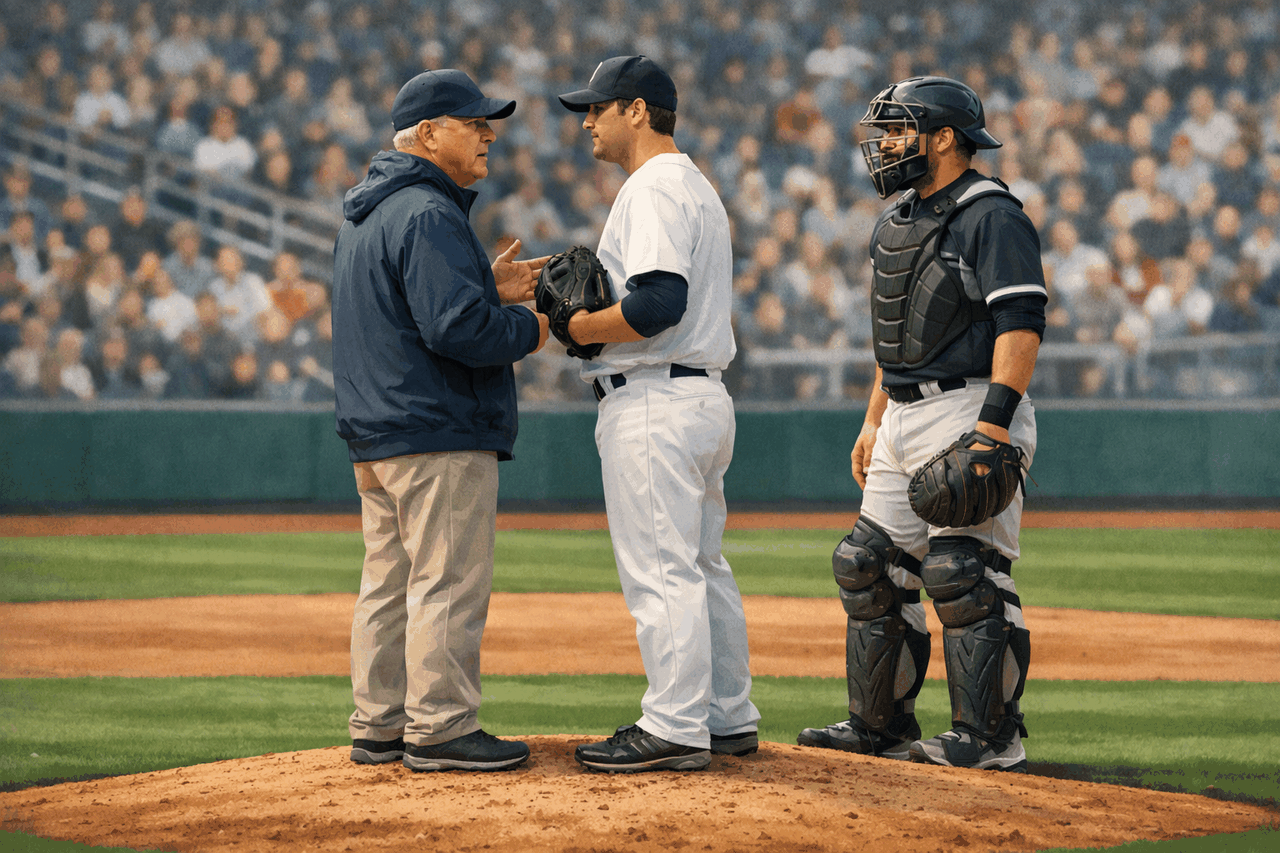
Check the team’s visits, then the pitcher’s situation Whether someone can visit the mound and whether a pitcher can leave are separate questions. MLB uses three rules: a team allowance for mound visits without a pitching change, a removal requirement triggered by a second coach or manager trip to the same pitcher in an inning,… Continue reading MLB Pitcher Rules: Mound Visits and Minimums
Pitching Grips Explained: Grip Diagrams and Safety Boundaries
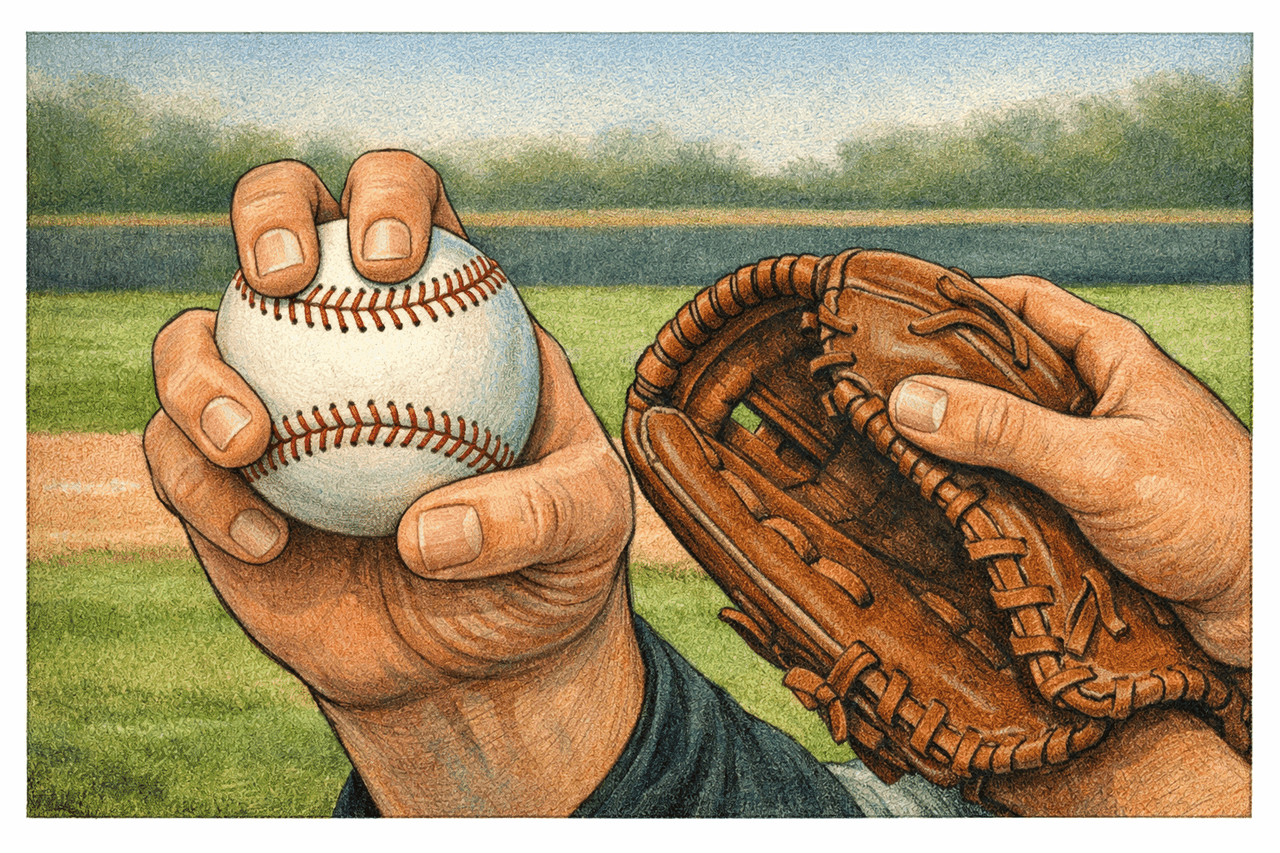
Start with the finger-to-seam relationship To distinguish these three example pitching grips, look for a different visual pattern in each: index and middle fingers crossing a horizontal horseshoe seam, fingers following two close vertical seams, or a loose circle formed by the thumb and index finger. You can identify those differences without throwing a ball.… Continue reading Pitching Grips Explained: Grip Diagrams and Safety Boundaries
Baseball Pitch Types: Movement, Use and Differences

Start with the pitcher’s own four-seam fastball To identify a baseball pitch, compare it with that pitcher’s four-seam fastball. Look for a change in sideways movement, downward movement or timing. A sinker typically shows more drop, more movement toward the pitcher’s throwing-arm side, or both; a cutter moves toward the glove side; breaking balls create… Continue reading Baseball Pitch Types: Movement, Use and Differences
MLB Rain Delay Rules: Suspension and Resumption
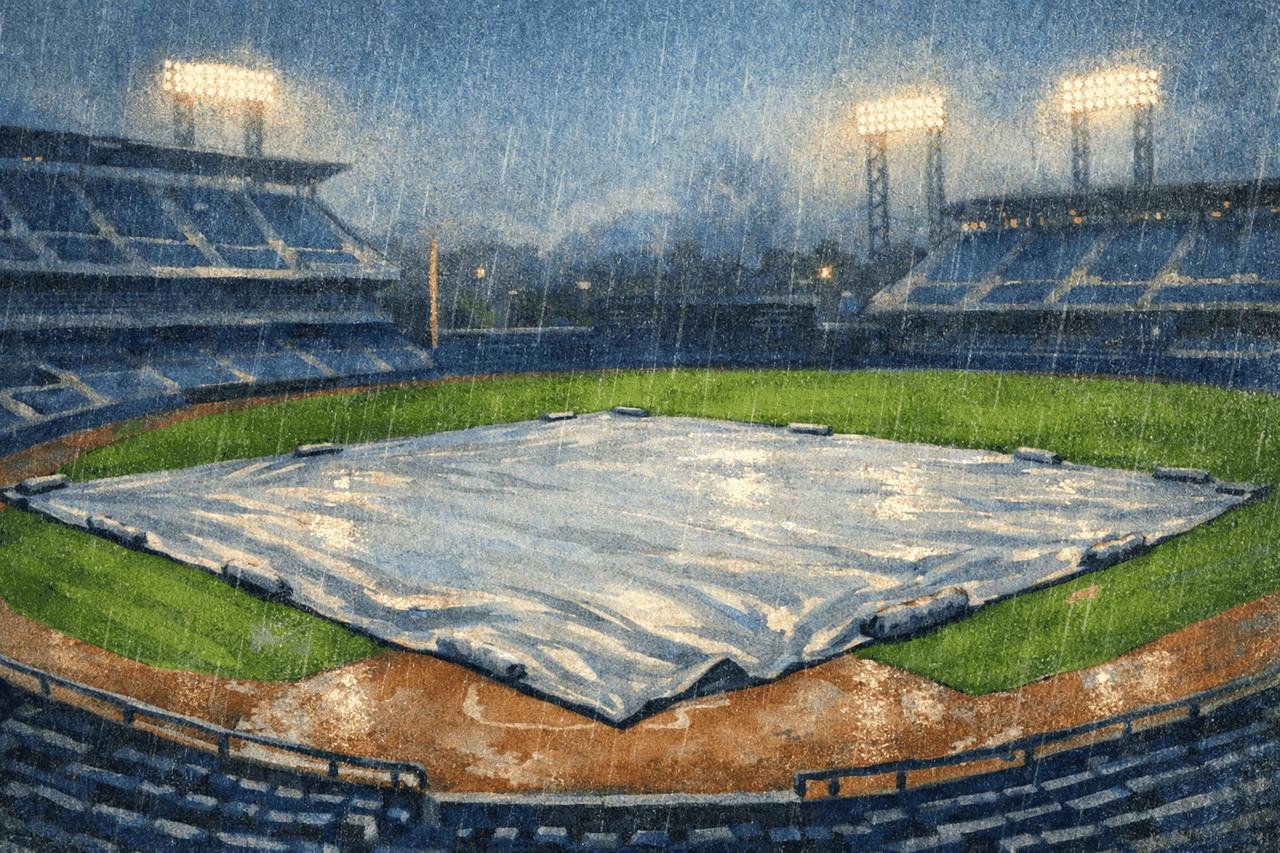
The quick answer: a delay pauses play; a call requires a ruling A rain delay pauses play with the possibility of restarting later that day. A postponement before the first pitch means the game has not begun. Once a game underway is called because play cannot continue, the next step depends on the inning, the… Continue reading MLB Rain Delay Rules: Suspension and Resumption
MLB Extra Innings Rules: Regular Season vs Postseason
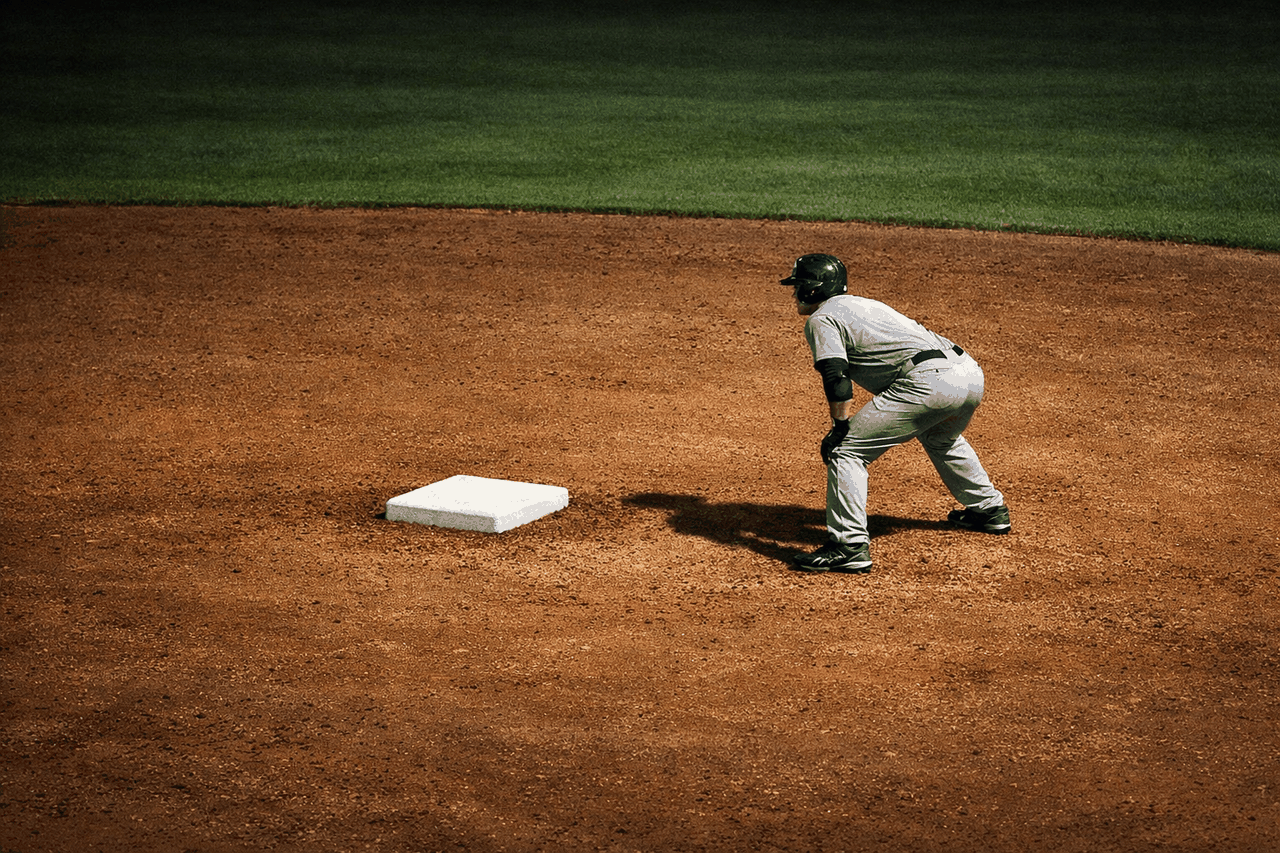
What changes after nine innings? In 2026, an MLB regular-season game tied after nine innings starts each extra half-inning with a runner on second base and zero outs. In the postseason, each extra half-inning starts with empty bases and zero outs. In both settings, the batting order continues where it left off; it does not… Continue reading MLB Extra Innings Rules: Regular Season vs Postseason
MLB ABS Challenge System: How Ball-Strike Appeals Work in 2026
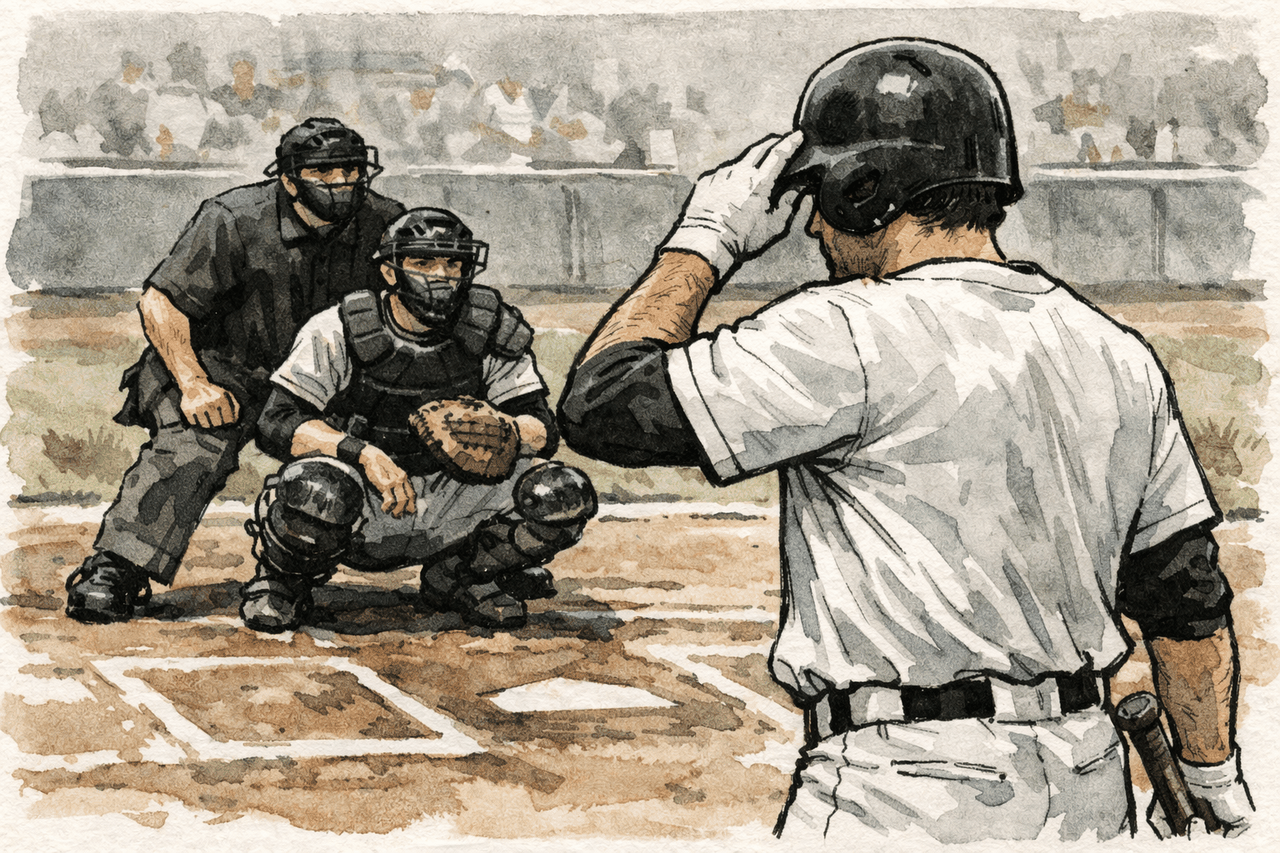
A cap or helmet tap can change the count in MLB in 2026 if an eligible player immediately challenges a called ball or strike and the automated ball-strike system, or ABS, overturns the umpire’s call. The home-plate umpire calls the pitch first. Technology decides the challenged call. Who can tap—and when? Only the batter, pitcher… Continue reading MLB ABS Challenge System: How Ball-Strike Appeals Work in 2026
Winning Pitcher Rules: How MLB Awards a Win

Find the lead that sticks To identify the winning pitcher, find the lead the winning team never gives back. Then check who was pitching when that lead was taken—or whose turn as the relevant pitcher continued while his team batted. Apply the starter’s minimum-innings requirement and the brief, ineffective relief exception before assigning the win.… Continue reading Winning Pitcher Rules: How MLB Awards a Win
Baseball Statistics Explained: Key Measures and Examples
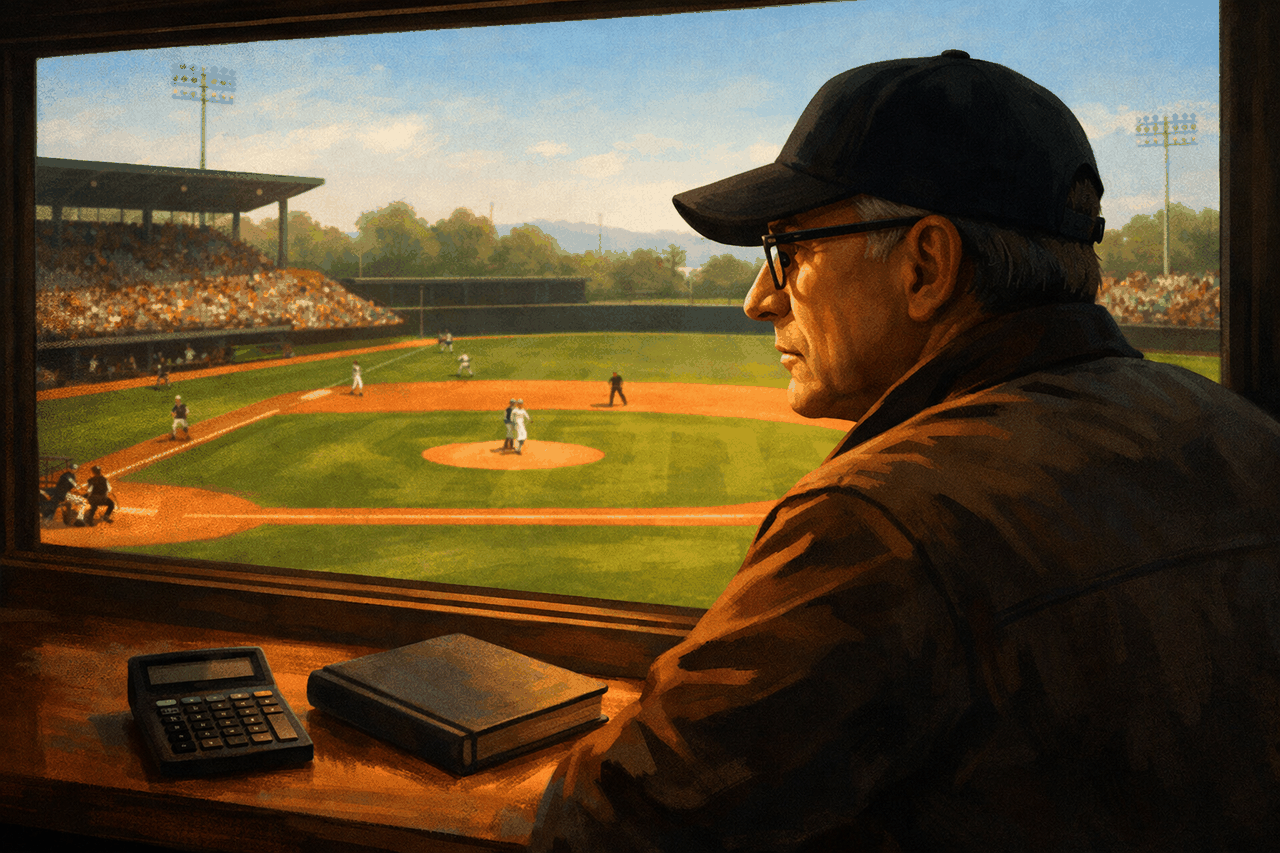
What question does each statistic answer? Batting average, on-base percentage, slugging percentage, and OPS describe different parts of a hitter’s results. AVG asks how often the batter gets a hit per official at-bat. OBP measures how often the batter reaches base through a hit, walk, or hit-by-pitch across a broader set of opportunities. SLG measures… Continue reading Baseball Statistics Explained: Key Measures and Examples