
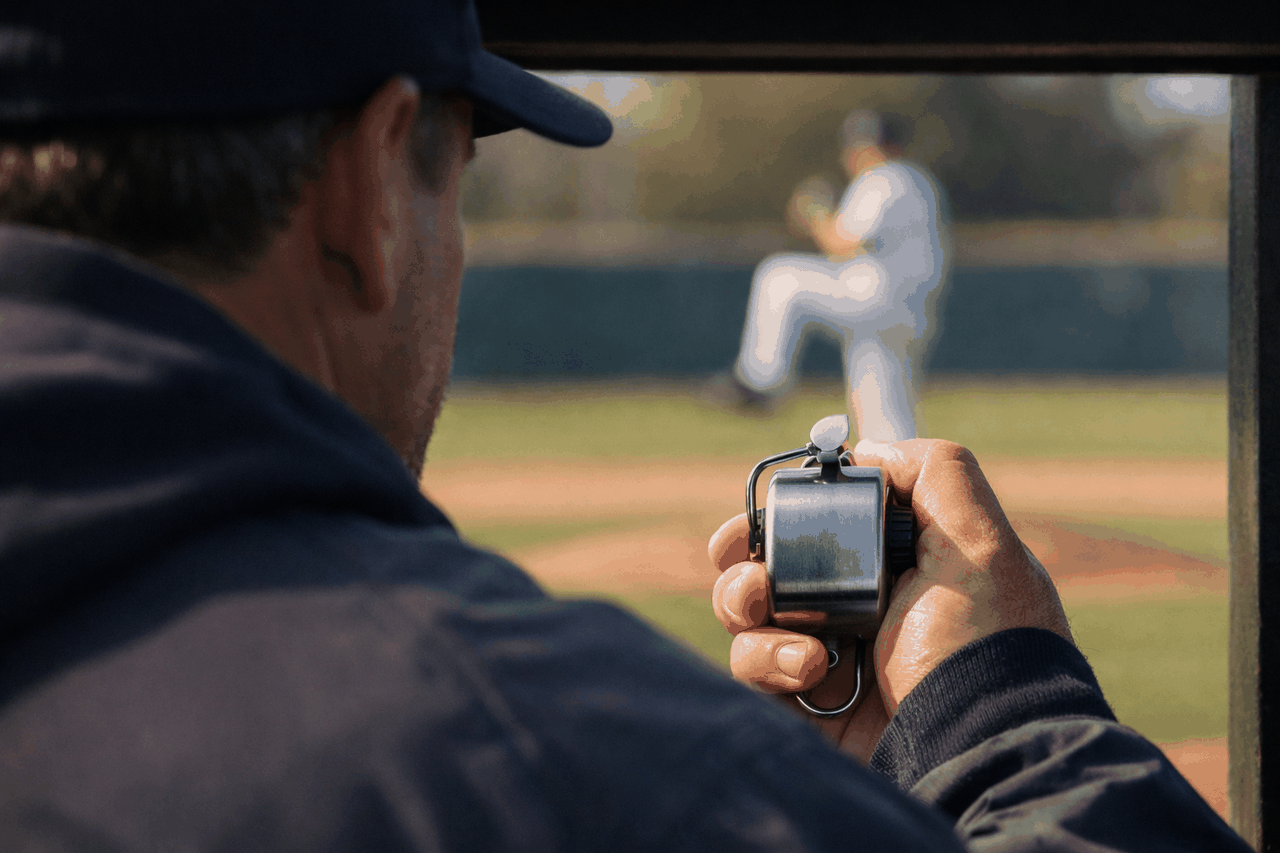
Which rulebook governed the 2026 tournament? The 2026 World Baseball Classic used the 2025 MLB Official Baseball Rules together with WBCI’s tournament modifications published March 4. Those modifications controlled several decisions that mattered during games: how long a pitcher could stay in, when a lopsided game ended, how extra innings began, and which teams advanced… Continue reading World Baseball Classic Rules: Tournament Differences
High School Baseball Bat Rules: Standards and Certification
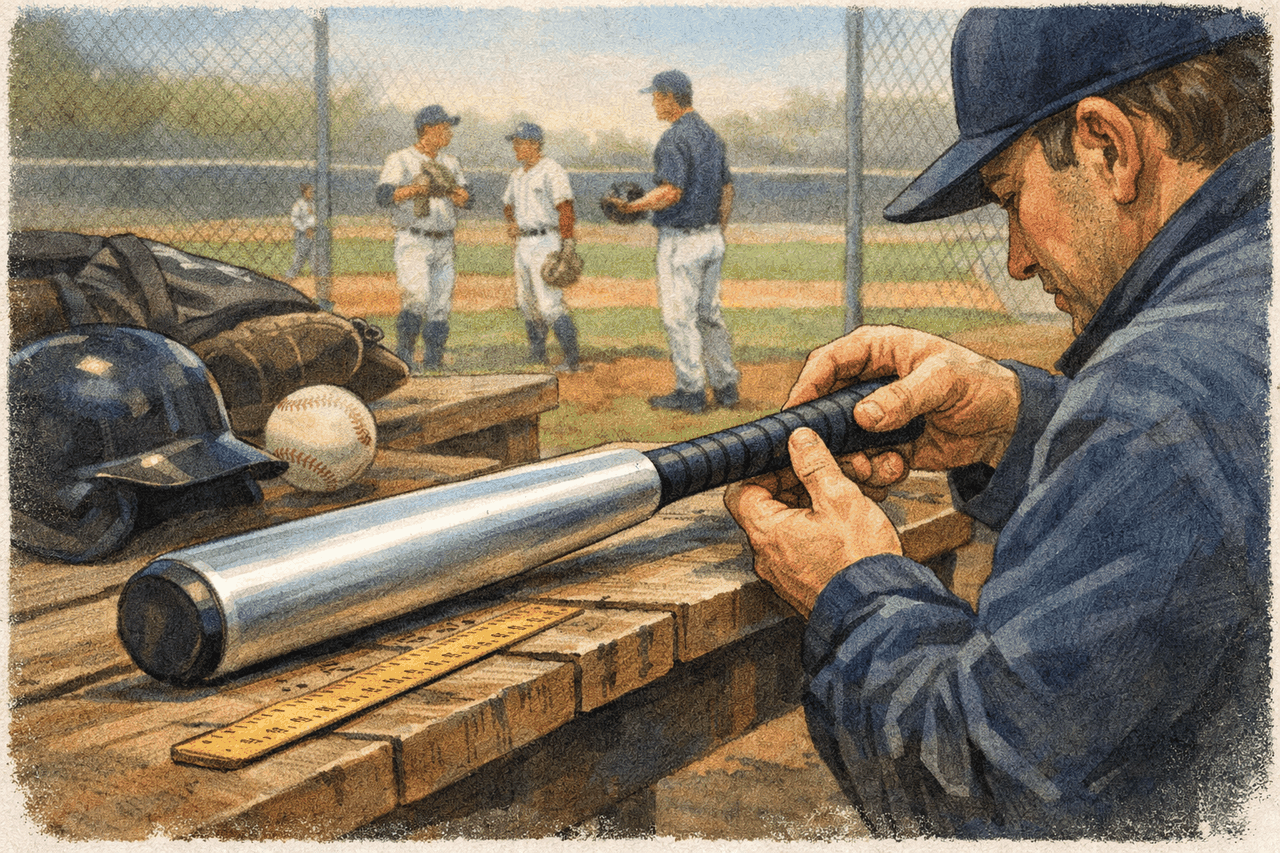
A practical 2026 equipment check for players, parents and coaches playing under NFHS rules. What makes a bat legal in 2026? For a 2026 high school baseball game governed by NFHS rules, a nonwood or multi-piece wood bat needs a permanent BBCOR .50 certification mark, compliant dimensions and weight, the required grip, and an eligible… Continue reading High School Baseball Bat Rules: Standards and Certification
Little League Bat Rules: Approved Marks and Restrictions
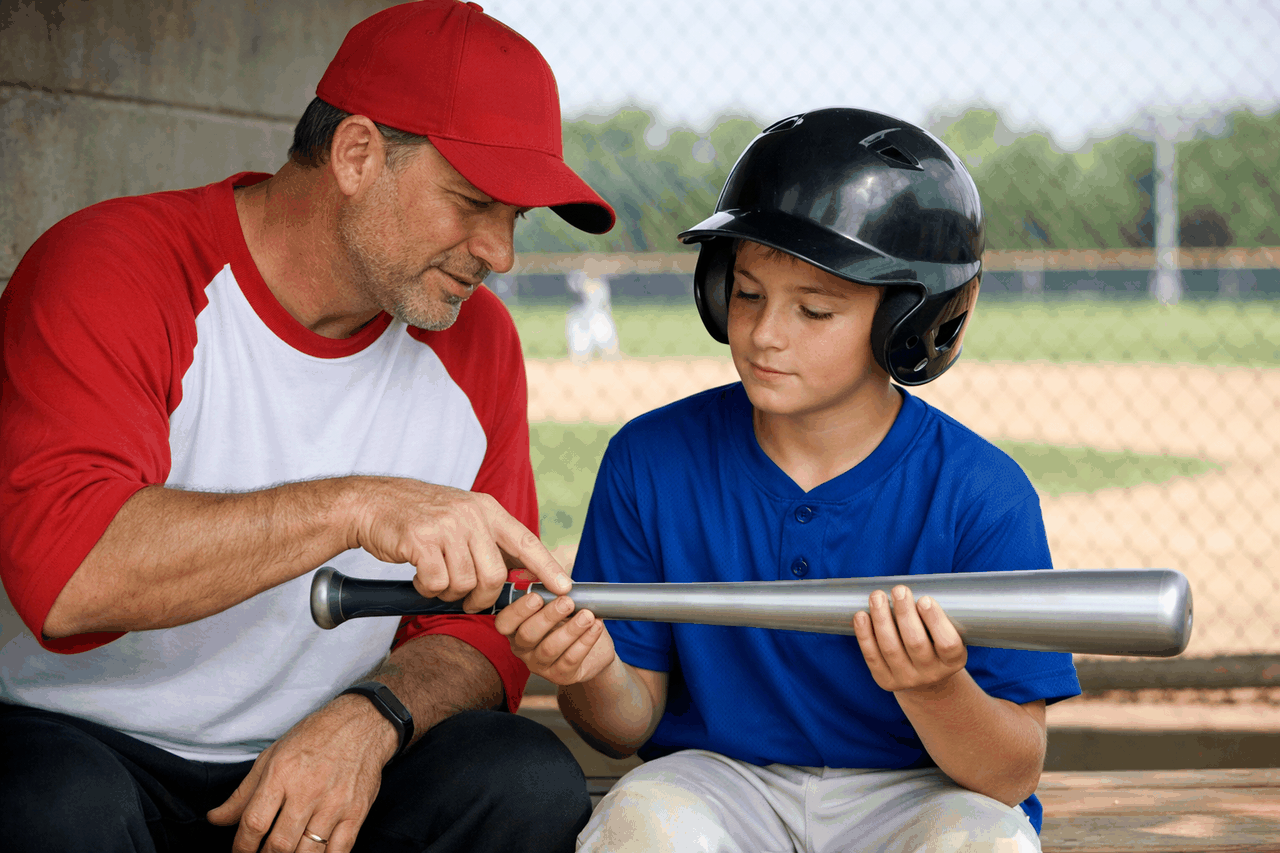
For 2026 Little League Baseball, check the player’s division first, then the bat’s required certification mark and condition, and finally its dimensions, material, grip, and permitted use. A logo alone does not settle eligibility: a BBCOR-only bat can qualify for Junior League while being ineligible for Majors. Start with three checks at the bat rack… Continue reading Little League Bat Rules: Approved Marks and Restrictions
Baseball Rules for Kids: How Age Groups Change the Game
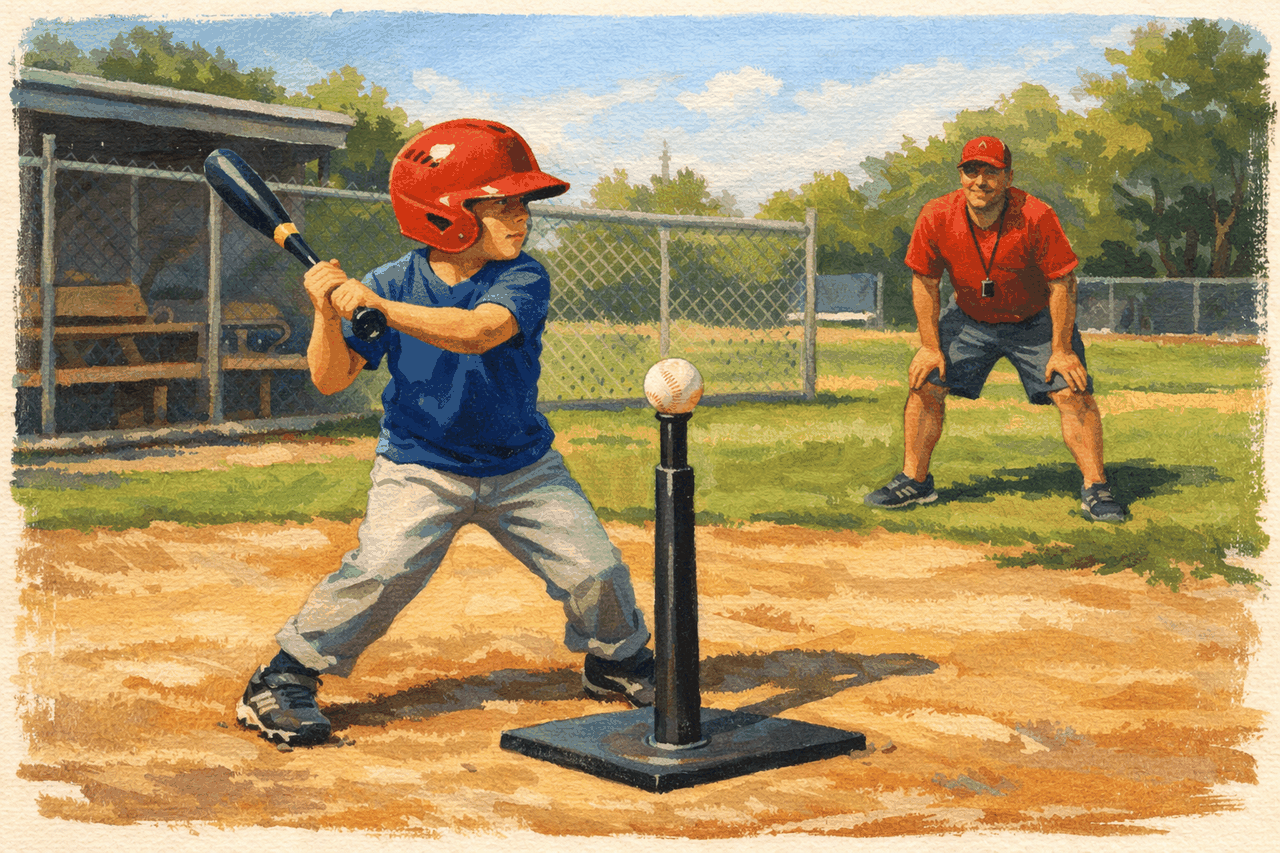
For the 2026 Little League Baseball regular season, finding your child’s division takes two steps: calculate their league age, then confirm which divisions your local league offers and which ages it accepts in each. Age ranges overlap, so a birthday alone does not determine placement. Once you know the division, the game becomes easier to… Continue reading Baseball Rules for Kids: How Age Groups Change the Game
MLB Pitching Changes: When a Pitcher May Be Replaced
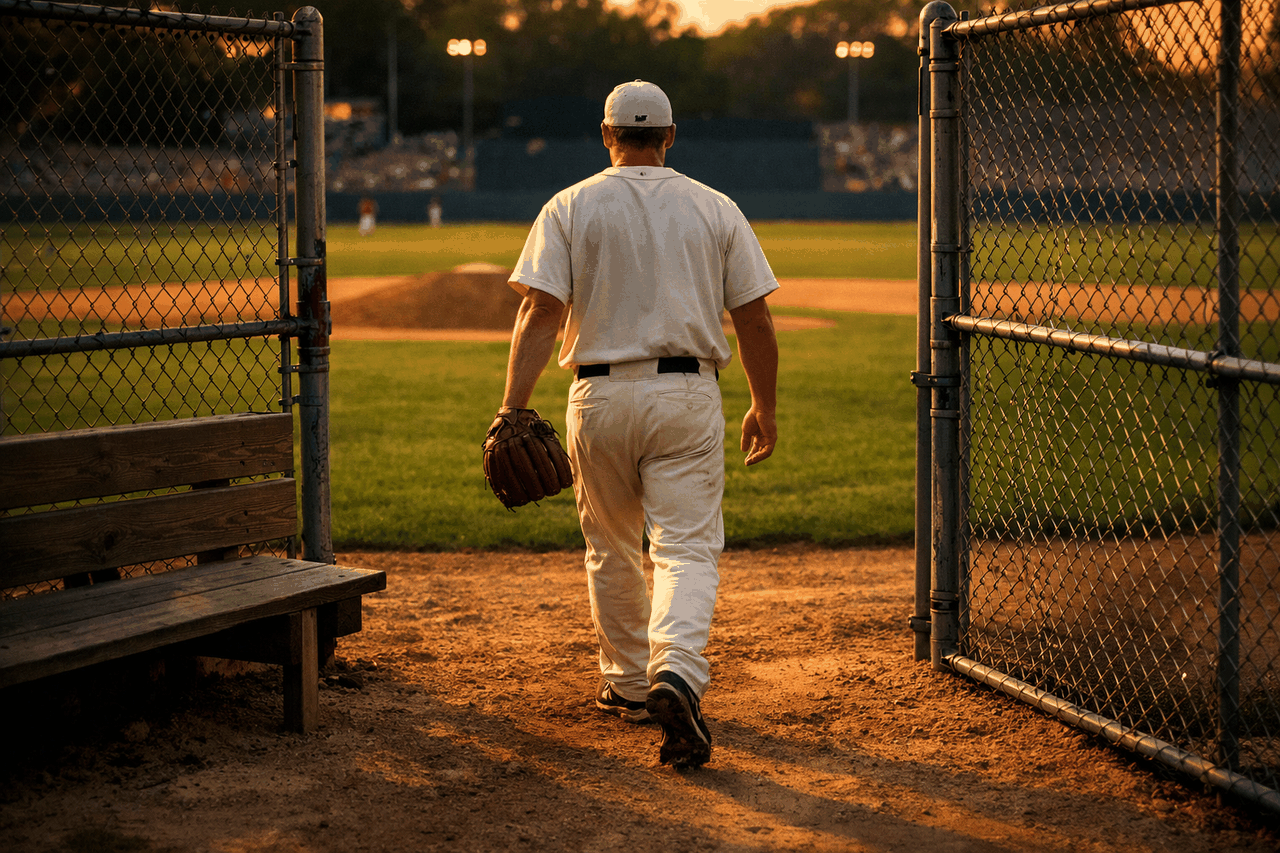
A third out can permit a change after one batter A pitcher enters with two outs and retires the only batter he faces. His manager may replace him before the team’s next defensive half-inning, even though he has faced only one batter. Ending the half-inning creates an opportunity to make the change. If that pitcher… Continue reading MLB Pitching Changes: When a Pitcher May Be Replaced
MLB Pitcher Rules: Mound Visits and Minimums
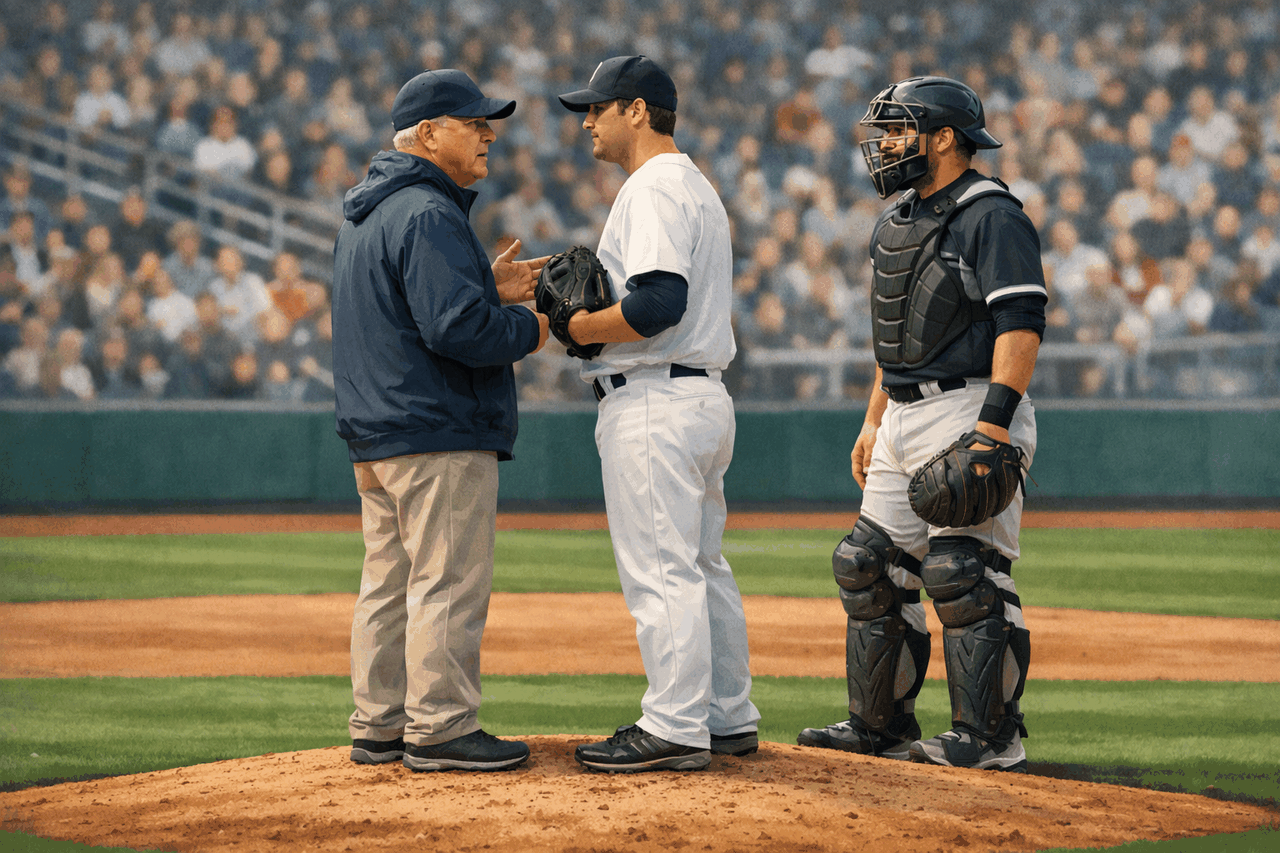
Check the team’s visits, then the pitcher’s situation Whether someone can visit the mound and whether a pitcher can leave are separate questions. MLB uses three rules: a team allowance for mound visits without a pitching change, a removal requirement triggered by a second coach or manager trip to the same pitcher in an inning,… Continue reading MLB Pitcher Rules: Mound Visits and Minimums
Pitching Grips Explained: Grip Diagrams and Safety Boundaries
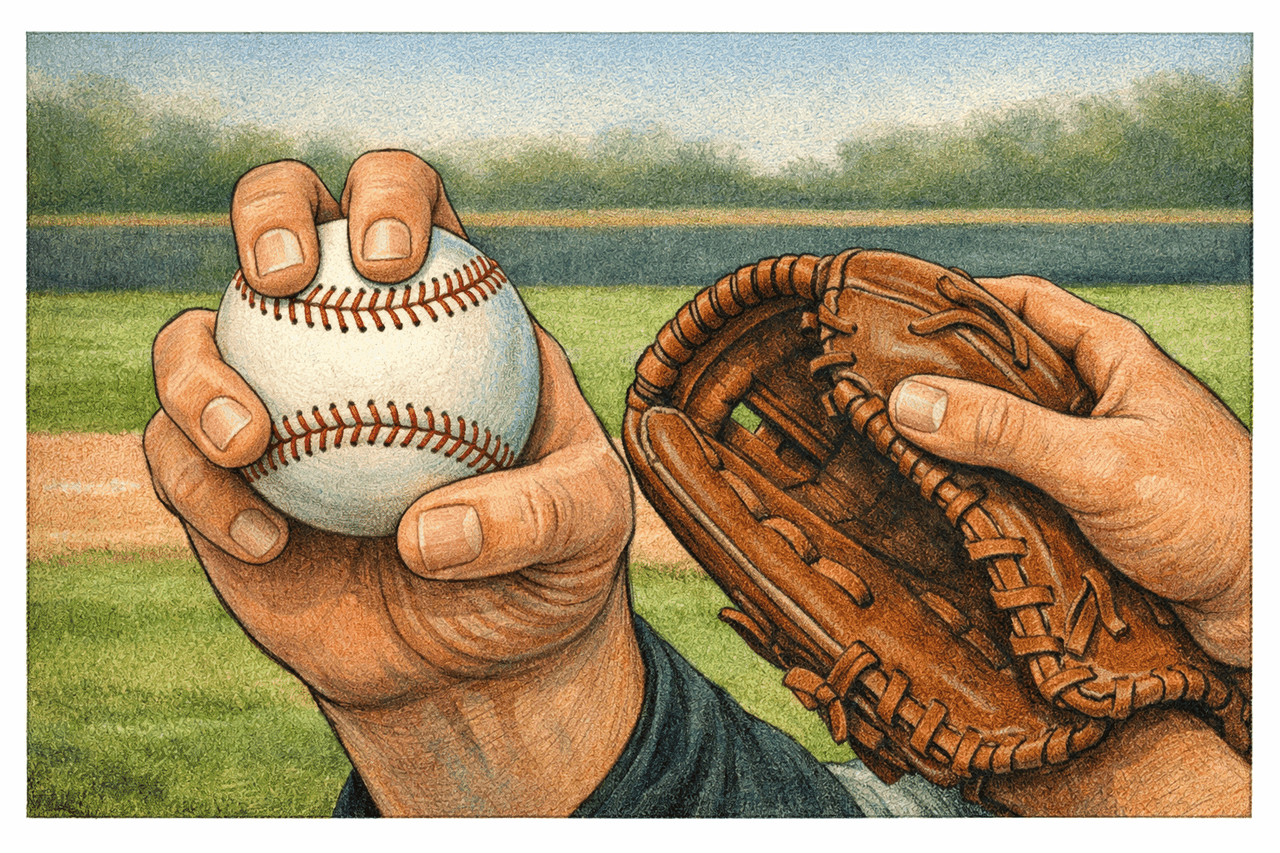
Start with the finger-to-seam relationship To distinguish these three example pitching grips, look for a different visual pattern in each: index and middle fingers crossing a horizontal horseshoe seam, fingers following two close vertical seams, or a loose circle formed by the thumb and index finger. You can identify those differences without throwing a ball.… Continue reading Pitching Grips Explained: Grip Diagrams and Safety Boundaries
Baseball Pitch Types: Movement, Use and Differences
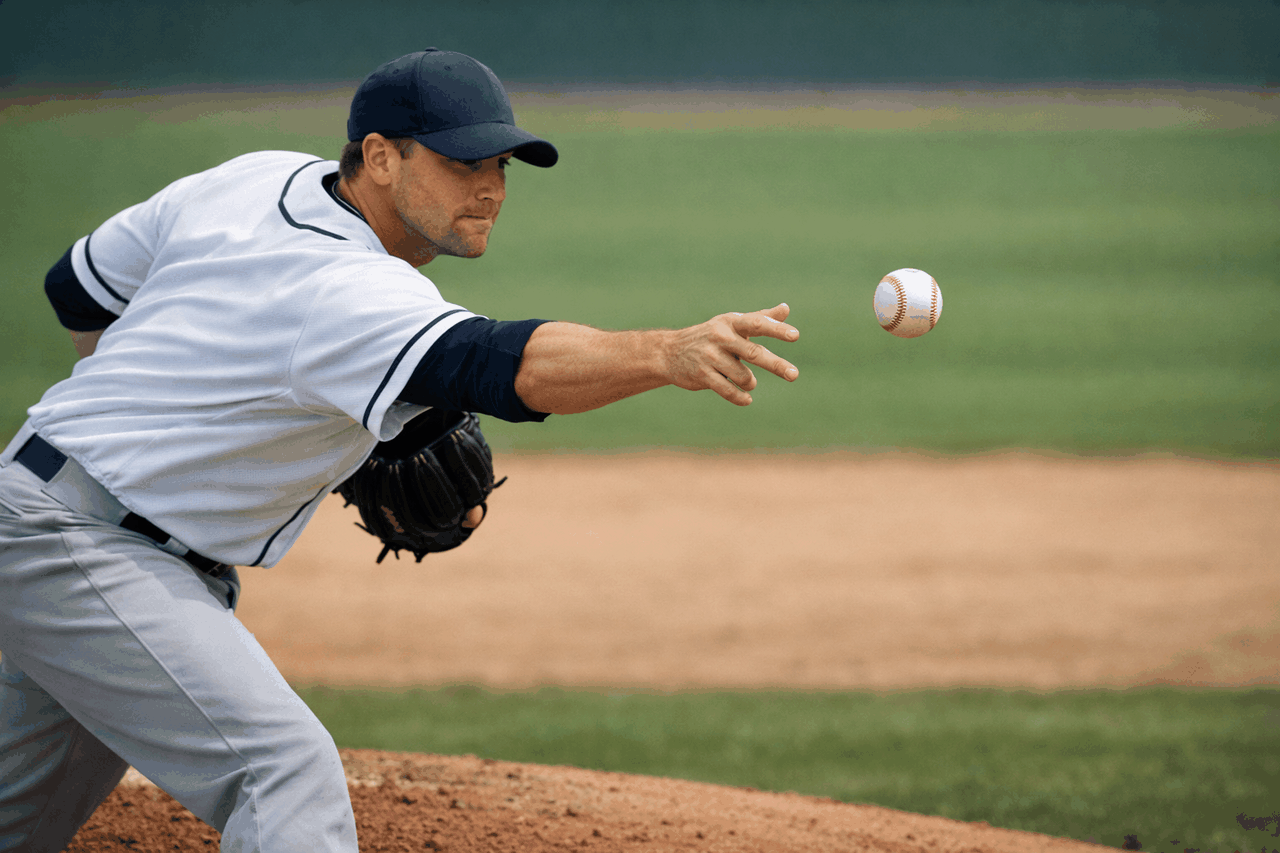
Start with the pitcher’s own four-seam fastball To identify a baseball pitch, compare it with that pitcher’s four-seam fastball. Look for a change in sideways movement, downward movement or timing. A sinker typically shows more drop, more movement toward the pitcher’s throwing-arm side, or both; a cutter moves toward the glove side; breaking balls create… Continue reading Baseball Pitch Types: Movement, Use and Differences
MLB Rain Delay Rules: Suspension and Resumption
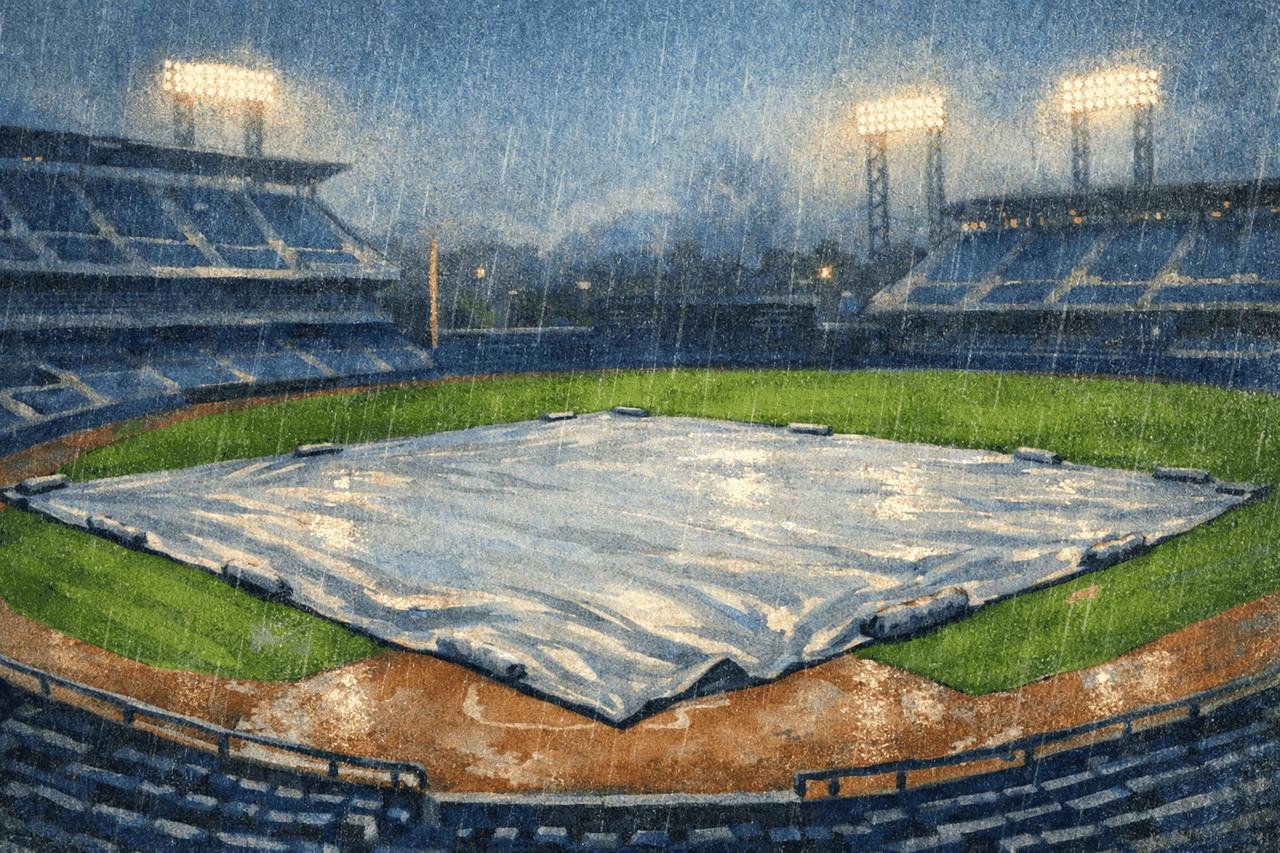
The quick answer: a delay pauses play; a call requires a ruling A rain delay pauses play with the possibility of restarting later that day. A postponement before the first pitch means the game has not begun. Once a game underway is called because play cannot continue, the next step depends on the inning, the… Continue reading MLB Rain Delay Rules: Suspension and Resumption