

A third out can permit a change after one batter A pitcher enters with two outs and retires the only batter he faces. His manager may replace him before the team’s next defensive half-inning, even though he has faced only one batter. Ending the half-inning creates an opportunity to make the change. If that pitcher… Continue reading MLB Pitching Changes: When a Pitcher May Be Replaced
Category: Pitching
Compare pitch types and grips, mound visits, pitcher changes and the requirements for a winning pitcher.
MLB Pitcher Rules: Mound Visits and Minimums

Check the team’s visits, then the pitcher’s situation Whether someone can visit the mound and whether a pitcher can leave are separate questions. MLB uses three rules: a team allowance for mound visits without a pitching change, a removal requirement triggered by a second coach or manager trip to the same pitcher in an inning,… Continue reading MLB Pitcher Rules: Mound Visits and Minimums
Pitching Grips Explained: Grip Diagrams and Safety Boundaries
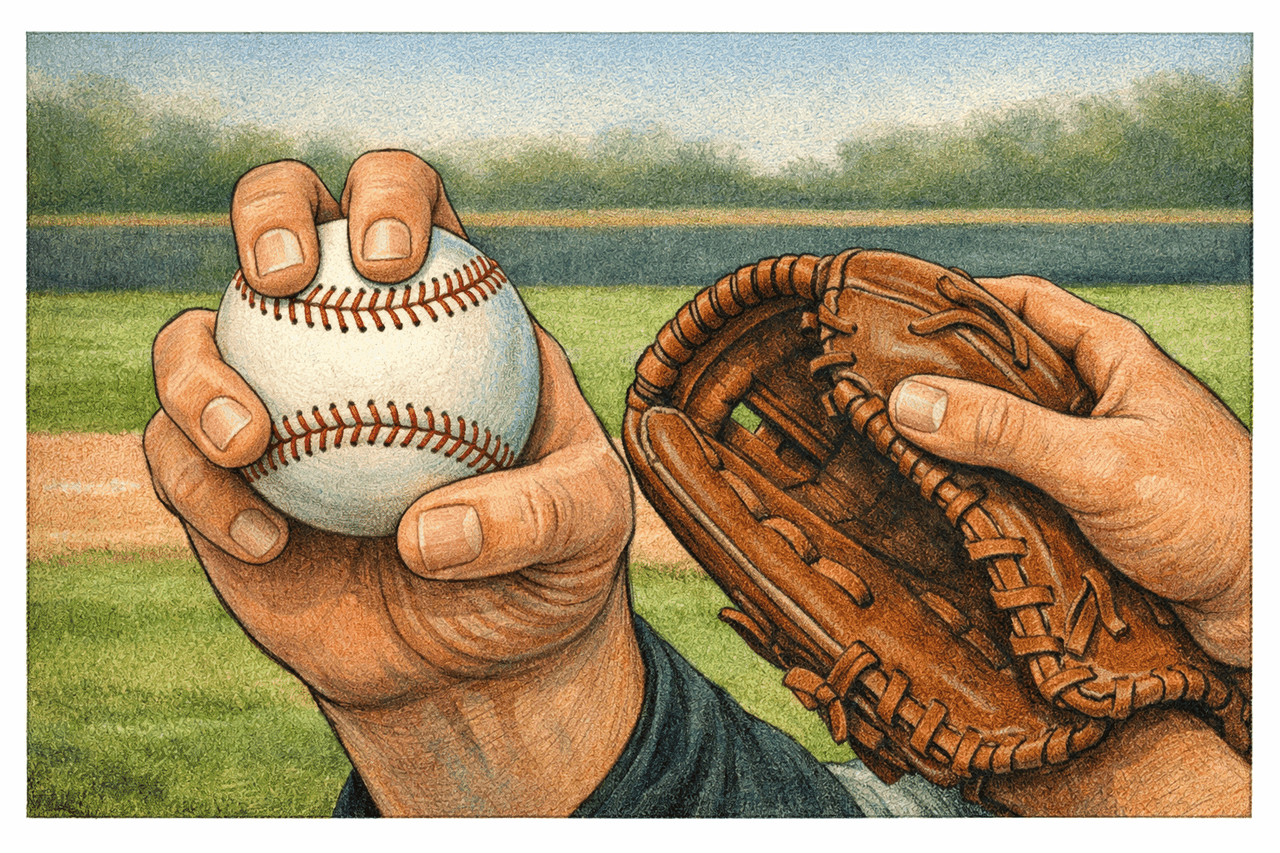
Start with the finger-to-seam relationship To distinguish these three example pitching grips, look for a different visual pattern in each: index and middle fingers crossing a horizontal horseshoe seam, fingers following two close vertical seams, or a loose circle formed by the thumb and index finger. You can identify those differences without throwing a ball.… Continue reading Pitching Grips Explained: Grip Diagrams and Safety Boundaries
Baseball Pitch Types: Movement, Use and Differences

Start with the pitcher’s own four-seam fastball To identify a baseball pitch, compare it with that pitcher’s four-seam fastball. Look for a change in sideways movement, downward movement or timing. A sinker typically shows more drop, more movement toward the pitcher’s throwing-arm side, or both; a cutter moves toward the glove side; breaking balls create… Continue reading Baseball Pitch Types: Movement, Use and Differences